







Search Results for: high-sugar drink advertising ban
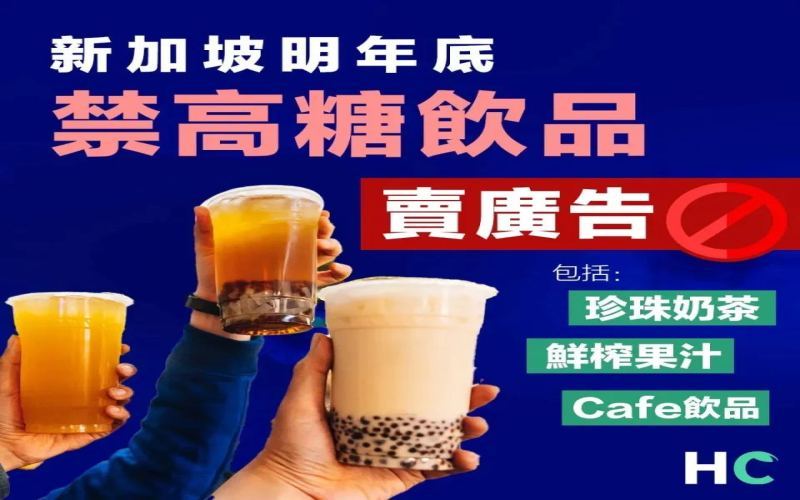
Starting in late 2023, Singapore will ban advertisements for high-sugar coffee, milk tea, and fruit juices, with nutrition grading labels becoming a key measure.
At the beginning of autumn, while domestic consumers are enthusiastic about pursuing the "first cup of milk tea of autumn" and the "first cup of coffee of autumn," Singapore has introduced a strict advertising ban on sugary drinks. Singapore's Minister for Health, Ong Ye Kung, announced at an event on August 11 that, in order to curb the high incidence of diabetes, starting from the end of 2023, drinks with relatively high sugar and trans fat content will be completely prohibited from advertising. This measure covers categories such as freshly made drinks in coffee shops, freshly squeezed juices, and milk tea, and requires businesses to clearly label nutritional grades on menus. Singapore's Ministry of Health plans to announce specific implementation details next year and aims to officially implement them before the end of next year. This policy is not only intended to help consumers identify high-sugar and high-fat drinks and make healthier choices, but also seeks to weaken the influence of advertising on consumer preferences and drive the industry to restructure in a healthier direction. [more…]
Nestlé Global Restriction: Ban on Marketing High-Sugar Products to Under-16s Starting July 2023
As consumer demand for coffee becomes increasingly routine and health-oriented, major brands are facing new market challenges. Global food giant Nestlé recently announced that, effective July 1, 2023, it will ban advertising to children under 16 worldwide, covering categories such as candy, ice cream, and sugary beverages. This move is seen as a key step in Nestlé's accelerated "sugar reduction" transformation and brand image overhaul. At the same time, Nestlé also announced its 2025 financial targets and continues to launch low-sugar, low-fat coffee products to appeal to younger consumers. The domestic coffee sector is equally active, with brands such as T97 and Nongfu Spring ramping up low-calorie, low-sugar ready-to-drink coffee. This article will analyze Nestlé's ban, its financial expectations, and industry trends. [more…]
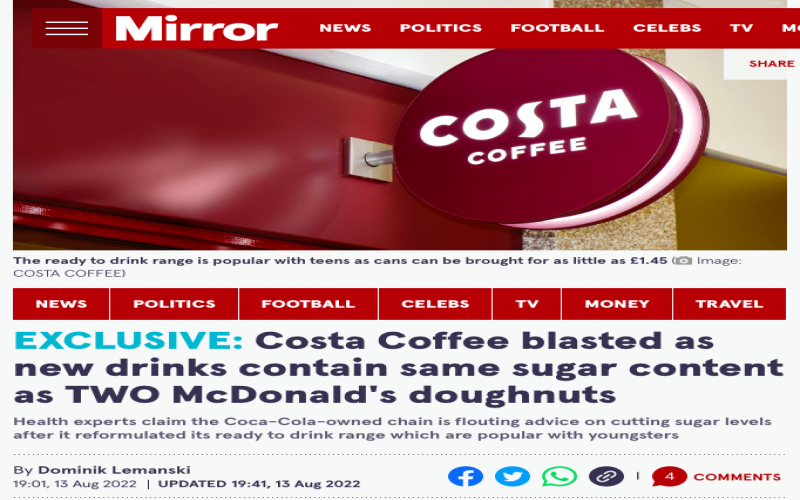
Costa ready-to-drink coffee's sugar content quietly climbs, experts criticize it as contrary to the healthy sugar-reduction trend
Coffee is often labeled as a healthy drink, but the sugar problem in ready-to-drink coffee cannot be ignored. According to the British Mirror, Costa, a brand owned by Coca-Cola, has been quietly increasing the sugar content in its pre-packaged coffee, with some products seeing a one-third rise in sugar compared to 2019. Experts point out that this move runs counter to the sugar reduction initiative promoted by the UK government. Meanwhile, countries such as Singapore have introduced measures to restrict advertising for high-sugar drinks, and Chinese consumers have also begun to pay attention to sugar and sugar substitute options in milk tea and coffee. The health risks behind a sweet drink deserve the attention of every coffee lover. [more…]

Coffee machine ad featuring a semi-nude model sparks outrage—why does borderline marketing keep happening despite repeated bans?
In recent years, brand marketing tactics have proliferated, but some approaches frequently cross the line. A certain coffee machine brand sparked strong public backlash for using semi-nude models to demonstrate product settings in its advertising. From skin color hinting at concentration levels to scenes of kneeling to brew coffee, this series of moves was not only vulgar but also involved the objectification of women and racial bias. Although customer service claimed there was no violation, the images were quietly replaced. This article takes a deep dive into the brand logic behind this controversy, exploring why borderline marketing persists despite repeated bans and what real costs it brings to brands. For coffee lovers, we should focus more on the coffee itself rather than being led astray by gimmicks. [more…]
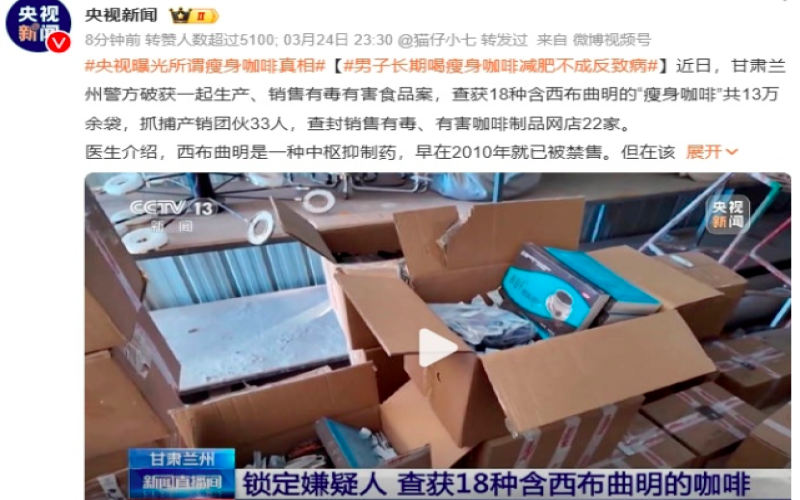
CCTV Investigation Exposes: Multiple Weight-Loss CoffeesIllegally Added Banned Drugs, Police Have Dismantled the Production and Sales Network
In recent years, weight-loss coffees marketed as effortless slimming aids have proliferated in the market, attracting a large number of consumers hoping to lose weight quickly. However, a recent investigative report by CCTV has exposed a worrying truth behind these products: some weight-loss coffees illegally contain drug ingredients that have long been banned in China, and long-term consumption not only fails to achieve healthy weight loss but may also cause serious harm to the body. This article will sort through the ins and outs of this incident, including consumers' personal experiences, the detailed process of the police's cross-provincial investigation, and experts' professional warnings about such products, aiming to help coffee lovers recognize the real risks of weight-loss coffee and make wiser consumer choices. [more…]
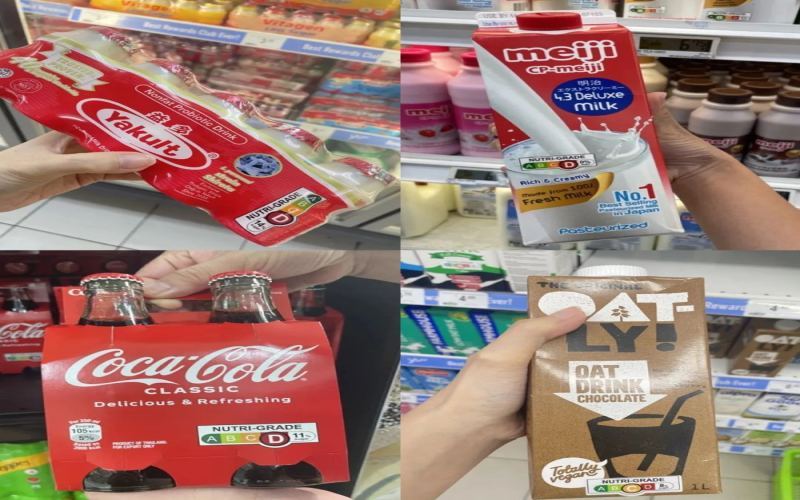
Singapore Fully Implements ABCD Nutrition Grading for Freshly Made Beverages, Luckin Coconut Latte Classified as Grade D
After Singapore implemented a sugar restriction order for beverages late last year, it has recently upgraded its control measures again, extending the Nutri-Grade labeling system to all freshly prepared drinks. From freshly brewed coffee and milk tea to fresh juices, even toppings like pearls and coconut jelly must now be labeled with their sugar content. Brands such as Starbucks, KOI Thé, and Ya Kun have gradually updated their menus, and Luckin's Coconut Latte has been classified as Grade D due to its high sugar and fat content. How exactly does this ABCD grading system work? What impact does it have on lattes and black coffee, which coffee lovers often drink? This article will outline the details of the new regulations and market reactions, and include purchasing advice from Front Street Coffee. [more…]
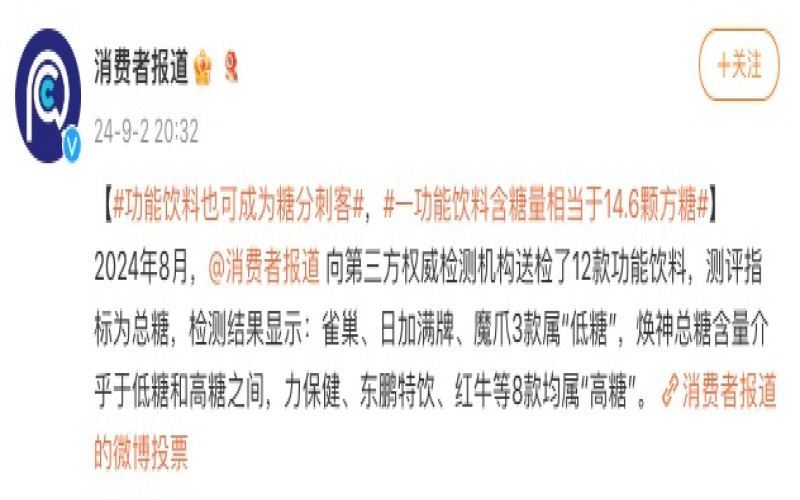
Each bottle of Dongpeng Special Drink contains as much sugar as 15 sugar cubes, high-sugar energy drinks draw attention again
A 500mL bottle of Dongpeng Special Drink contains as much as 66.5 grams of sugar, equivalent to eating about 15 sugar cubes. A third-party testing agency's evaluation of 12 functional drinks on the market shows that Dongpeng Special Drink far outpaces the others in sugar content, even surpassing carbonated beverages known for being high in sugar. In response to this result, Dongpeng said its formula has been approved by the state and recommended drinking only one bottle per day. High sugar intake is closely linked to obesity, chronic diseases, and even accelerated aging, yet the sugar in functional drinks is difficult to completely remove. When late-night overtime workers treat Dongpeng Special Drink as a "life-renewing elixir," do they realize they are being "stabbed in the back" by high sugar? This article will take an in-depth look at this test report and explore the high-sugar dilemma of functional drinks. [more…]

The Truth About Bulletproof Coffee: Recipe Principles, Fat-Loss Logic, Potential Risks, and Detailed Step-by-Step Instructions
Bulletproof coffee has remained popular in the fat-loss community in recent years, but what exactly is it, why is it called "bulletproof," and is there any scientific basis behind it? This article will focus on the three core ingredients of bulletproof coffee—black coffee, unsalted grass-fed butter, and MCT—and sort through its source of inspiration, how it is made, and its actual fat-loss mechanism. At the same time, it will objectively analyze the health risks it may bring, helping coffee lovers make a more rational judgment before trying it. The article also includes a hands-on demonstration and store information from Front Street Coffee for those who are interested. [more…]
Why Is Iced Americano Favored by Celebrities? Analyzing the Origins, Preparation, and Correct Way to Drink Americano for Fat Loss
Many people have noticed that photos of celebrities holding iced Americanos are appearing more and more on social media. Behind this, besides the refreshing taste, is the fact that drinking black coffee in moderation can help with fat loss. This article begins with the history of Americano, introduces Front Street Coffee's recipe and parameters for making Americano, compares the methods for hot and iced Americano, and analyzes the changes in flavor after skimming off the oils. At the same time, drawing on multiple studies, it sorts out the relationship between caffeine and fat oxidation and exercise performance, and offers more reasonable drinking suggestions. Whether you are drinking coffee for fat loss or simply because you like it, you will find useful references here. [more…]
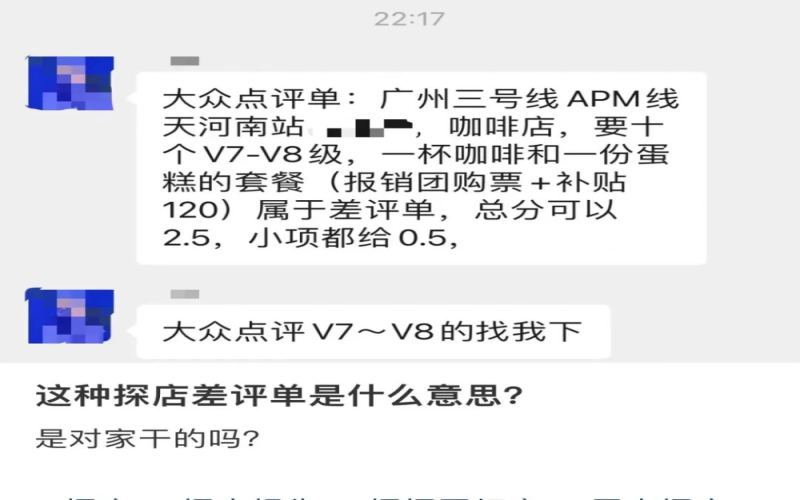
Coffee shops face malicious negative reviews and chaotic store visits: How trustworthy are consumer references now?
Before deciding which café to visit, many people are in the habit of first checking ratings online, scrolling through reviews, or watching a few探店 videos to do their homework. But when "glowing reviews aren't necessarily real, and bad reviews aren't necessarily fake" becomes the norm,探店 reviews themselves turn into a business. This article sorts through the chat records of review-bombing exposed on Xiaohongshu, several cases in recent years of探店 bloggers "flopping," as well as the payment chains and regulatory gaps in the探店 industry, and invites legal experts to offer advice on defending one's rights in cases of malicious bad reviews, dine-and-dash "霸王餐" behavior, and similar phenomena. For café owners and consumers, seeing clearly how this traffic game operates may be more important than arguing over whether a single review is real. [more…]

20-Year-Old Man's Blood Turns Milky White: Long-Term Replacement of Water with Milk Tea Drinks Triggers Health Warning
Recently, a 20-year-old man in Shandong who had long used drinks such as milk tea and cola instead of plain water to quench his thirst had a blood sample that unexpectedly showed a milky white, separated state, and he was diagnosed with lipemic blood. Doctors pointed out that milk tea is a high-calorie drink, and long-term excessive intake can lead to elevated blood lipids, increased blood viscosity, and even trigger blood vessel blockage and cardiovascular disease. What is worrying is that similar cases are not isolated among young people, and reports keep appearing on social platforms of young people facing health crises because of their addiction to milk tea. This sounds a warning bell for all milk tea lovers: it is urgent to reasonably control the intake of high-sugar, high-fat drinks and cultivate healthy eating and exercise habits. [more…]
Can Sweetened Coffee Also Lower Mortality Risk? Southern Medical University Study Reveals the Link Between Drinking Habits and Health
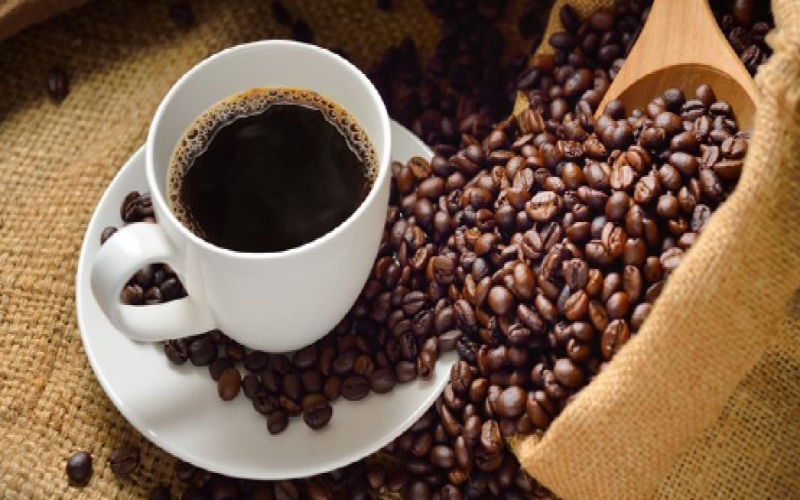
Coffee has become a beverage with enormous global consumption, and its market in China continues to expand. More and more research has focused on coffee's effects on health, but previous studies have often overlooked the distinction between whether sugar is added or not. In 2022, a team from Southern Medical University published a paper in the Annals of Internal Medicine, using data from more than 170,000 people in the UK Biobank to analyze the relationship between unsweetened, sugar-sweetened, and artificially sweetened coffee and mortality risk. The results showed that moderate consumption of both unsweetened and sugar-sweetened coffee was associated with a lower mortality risk, but the amount of sugar added to sugar-sweetened coffee was far lower than that in commercially available fancy coffee drinks. This article interprets the core findings of that study and reminds consumers who like high-sugar coffee to pay attention to the difference. [more…]
Why do Chinese people prefer milk tea over coffee? Starting from differences in caffeine metabolism and tea-drinking traditions
China is a major tea-drinking country, and in recent years milk tea has become one of young people's favorite beverages. Coffee and milk tea both contain caffeine, yet Chinese people's preferences for the two differ markedly. Behind this lie factors ranging from genetic metabolic capacity to the low-caffeine habit formed by Chinese people's long history of tea drinking, occupational structure, and differences in how income groups rely on stimulants versus sugar. This article will analyze, from the angles of caffeine content, metabolic genes, tea-drinking tradition, and workplace consumption data, why Chinese people favor milk tea over coffee, and explore the potential health risks of excessive caffeine intake. [more…]
South Korea's Iced Americano Prices Rise Across the Board Amid a Plastic Ban: Disposable Plastic Cups to Be Phased Out of Coffee Shops Starting in April
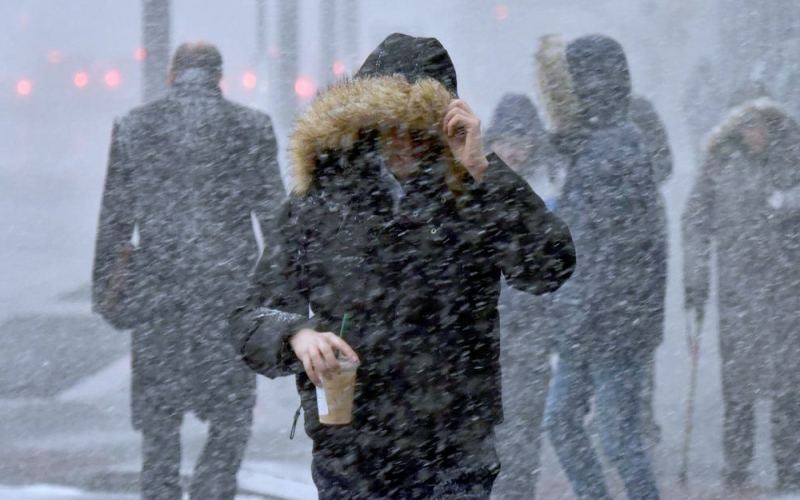
In South Korea, iced Americano has become an almost national daily drink, but recently it has encountered a series of changes. Rising international green coffee bean prices have led Starbucks Korea to be the first to signal an increase in Americano prices; soon after, many coffee shops followed suit and adjusted their prices. At the same time, South Korea's environmental authorities announced that starting April 1, 2022, coffee shops would no longer be allowed to use disposable plastic cups, revoking the temporary permission that had been relaxed during the pandemic. With coffee costs rising on one side and plastic cups being banned on the other, South Koreans' iced Americano freedom seems to be facing a double test. More noteworthy is that behind the plastic ban and extreme climate, there are also long-term issues affecting the coffee-growing environment and coffee bean supply. [more…]

TCM's Advice to Ban Coffee Sparks Debate: Is Excessive Caffeine Intake Really That Terrifying?
A daily cup of coffee has become the standard for many office workers, and some even have more than one a day. But can drinking too much coffee place a burden on the body? Recently, a netizen shared an experience of being banned from coffee after visiting a traditional Chinese medicine doctor, who even said, "If you keep drinking, you'll die." This post sparked a great deal of discussion, with some carefully analyzing the situations in which coffee should not be consumed, and others questioning the TCM doctor's judgment. Should coffee be drunk or not, and how should it be consumed to be healthy? Let's take a look together at the truth behind this discussion. [more…]
South Korea's plastic ban takes effect in April, leaving coffee shops caught between policy and customers as the biggest pressure point
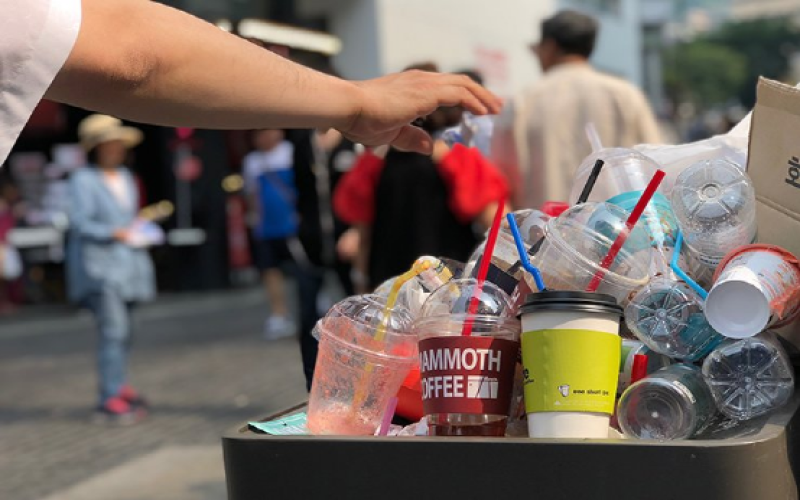
South Korea has officially implemented a ban on single-use plastic cups in the fast-food and coffee industries starting April 1, and plans to further introduce a "single-use cup deposit system" on June 10. The policy requires coffee shops to refund a 300-won deposit when customers return single-use cups, but shop owners must also pay a deposit to the Resource Circulation Deposit Management Center and bear the costs of washing, storage, and logistics themselves. Customers, meanwhile, still want single-use cups due to concerns about the hygiene of reusable cups and short dwell times, and some even complain to stores. Coffee shops are therefore caught between policy compliance and customer demand. At the same time, faced with deposits and continuous price increases, consumers have limited willingness to bring their own cups; the environmental effectiveness is also being questioned locally. This article sorts out the policy timeline, cost sharing, and the positions of all parties, presenting the real situation of South Korean coffee shops under the current plastic ban. [more…]
Tongkat Ali coffee containing the prohibited ingredient sildenafil is still in circulation, even though Malaysia's Ministry of Health has long ordered a ban on its sale
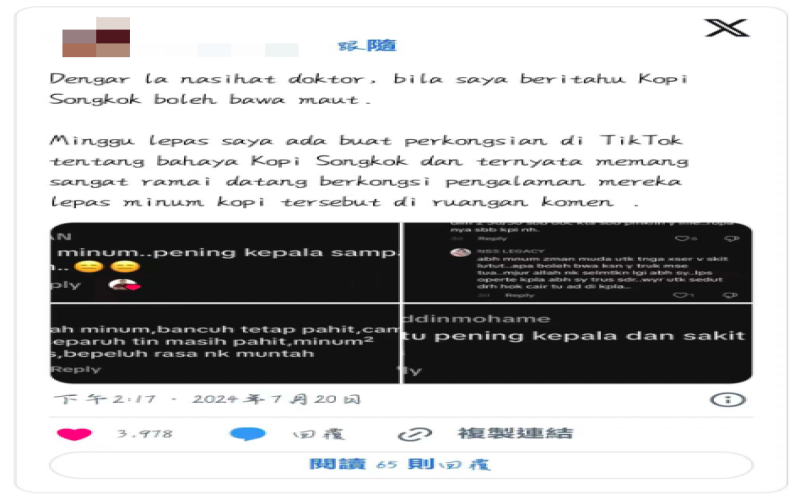
A pre-mixed coffee called "Kopi Songkok" contains sildenafil, a prescription ingredient that can be fatal, and has been placed on Malaysia's Ministry of Health ban list, yet it is still circulating on the market. Malaysian doctor Amusankhan posted a warning on social platform X that drinking this coffee may cause headaches, palpitations, a sudden drop in blood pressure, and even death. What is worrying is that many Malaysians continue to buy and drink it. This article reviews the coffee's ban history, health risks, netizens' personal experiences, and a domestic case in which someone was sentenced for selling coffee containing sildenafil, reminding consumers to be more vigilant. [more…]

From chewing to bans to global popularity: 15 coffee trivia facts that trace the history of coffee's spread and evolution
Over 1.3 billion people worldwide start their morning with a cup of coffee every day, but the history of coffee's spread is far less straightforward than one might imagine. Originally, people did not treat it as a beverage; instead, they mixed coffee cherries with animal fat to make energy balls to chew on. In the Middle Ages, it was used as a medicinal herb, and later on the Arabian Peninsula, it evolved into a stimulating drink called Gahwa. Upon entering Europe, coffee was once boycotted or even banned for religious and political reasons—Sweden once prohibited the sale of coffee along with cups and saucers, and the Ottoman Empire imposed capital punishment on those who drank it publicly. Meanwhile, anecdotes such as the predecessor of instant coffee and Brazil sending athletes to competitions with coffee beans abound. This article, through 15 fun facts, traces coffee's long journey from being misunderstood to being sought after, while retaining relevant recommendations from Front Street Coffee for coffee enthusiasts to refer to and exchange ideas. [more…]
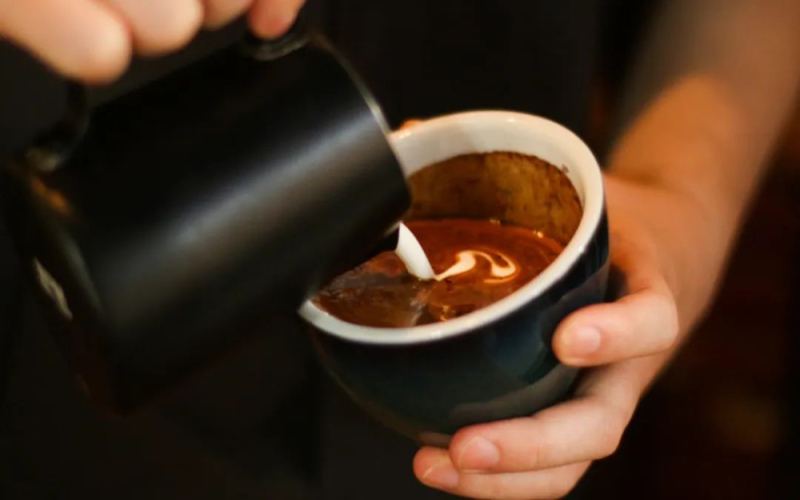
Why Is Mocha Coffee Fading from Menus? A Complete Trace from Yemen's Mocha Port to Italian Chocolate
Mocha was once a classic on Italian menus alongside latte and cappuccino, but it is now increasingly disappearing from specialty coffee shops. Its name originates from the Port of Mocha in Yemen—from the 15th century onward, coffee beans were shipped through this port, and the sacks were marked "MOCHA," so Europeans collectively called the beans exported from there mocha coffee, and in the early period it even became synonymous with coffee. In the 18th century, Italy, in an attempt to recreate the chocolate notes of mocha beans, tried adding cocoa powder to coffee, which later evolved into a chocolate-added milk coffee with the spread of espresso machines. During the second wave, the combination of dark-roasted blend beans with chocolate sauce, cream, and other additions made mocha a representative sweet drink used to mask bitterness. The third wave of specialty coffee emphasized origin flavors, and together with the low-sugar healthy trend, the high-sugar, high-calorie mocha gradually fell out of favor in the market. The article sorts out its historical context and shares Front Street's method and recipe for making iced mocha. [more…]
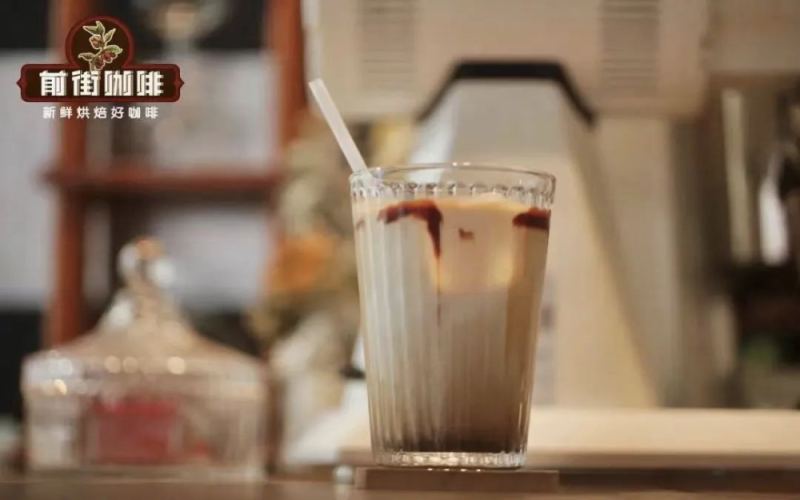
From Yemeni Ports to Espresso Bars: The Origins of Mocha Coffee, Its Recipe, and Why It's Fading from Menus
The name Mocha always conjures up images of chocolate and coffee blending together, but its origins actually point to an ancient port in Yemen. From the coffee trade monopoly of Mocha Port in the 15th century, to Italians using cocoa powder to imitate the flavor of Mocha beans in the 18th century, to the rise of fancy coffee drinks after World War II, Mocha coffee has undergone a rather winding evolution. This article traces the historical thread of Mocha coffee, explains its essential differences from a latte, introduces the specific method and recipe for a traditional Mocha, and analyzes why this high-sugar drink appears less and less on menus amid the specialty coffee wave and healthy eating trends. At the end, Front Street digs out its long-stored chocolate sauce to revisit the process of making an iced Mocha with everyone. [more…]